 MapConductor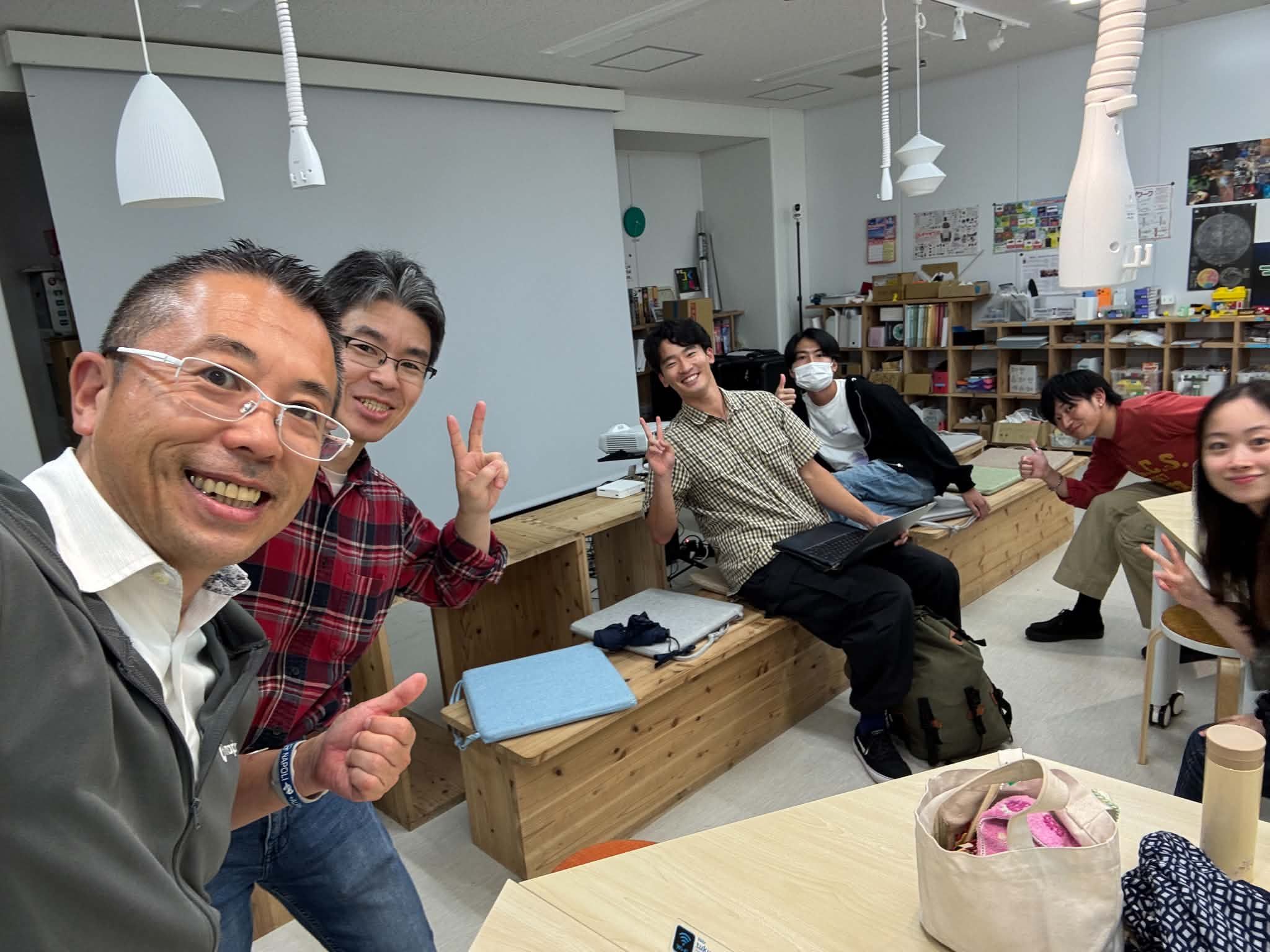
Thanks to the arrangements of Professor Daichi Furuhashi (https://www.aoyama.ac.jp/faculty/gsc/dg/teachers_interview_furuhashi.html) of the Core Technology Co-Creation Research Group, Organization for Social Collaboration and Regional Cooperation, Aoyama Gakuin University, we held a MapConductor hands-on session (https://peatix.com/event/5183257) at the Tsukumana Lab on the Aoyama Campus.
Students from Professor Furuhashi's seminar and an acquaintance of his also joined the session from Kyoto. Many participants started from the point of "never having touched React" or "almost no programming experience." Using MapConductor, they displayed maps, displayed and customized markers (pins), displayed InfoBubbles, and more, learning structured programming through maps.
It was a well-received hands-on session, with participants saying things like "It runs right away, so it's fun!", "I'm glad I participated today!", and "Looks great for teaching programming to middle and high school students!"
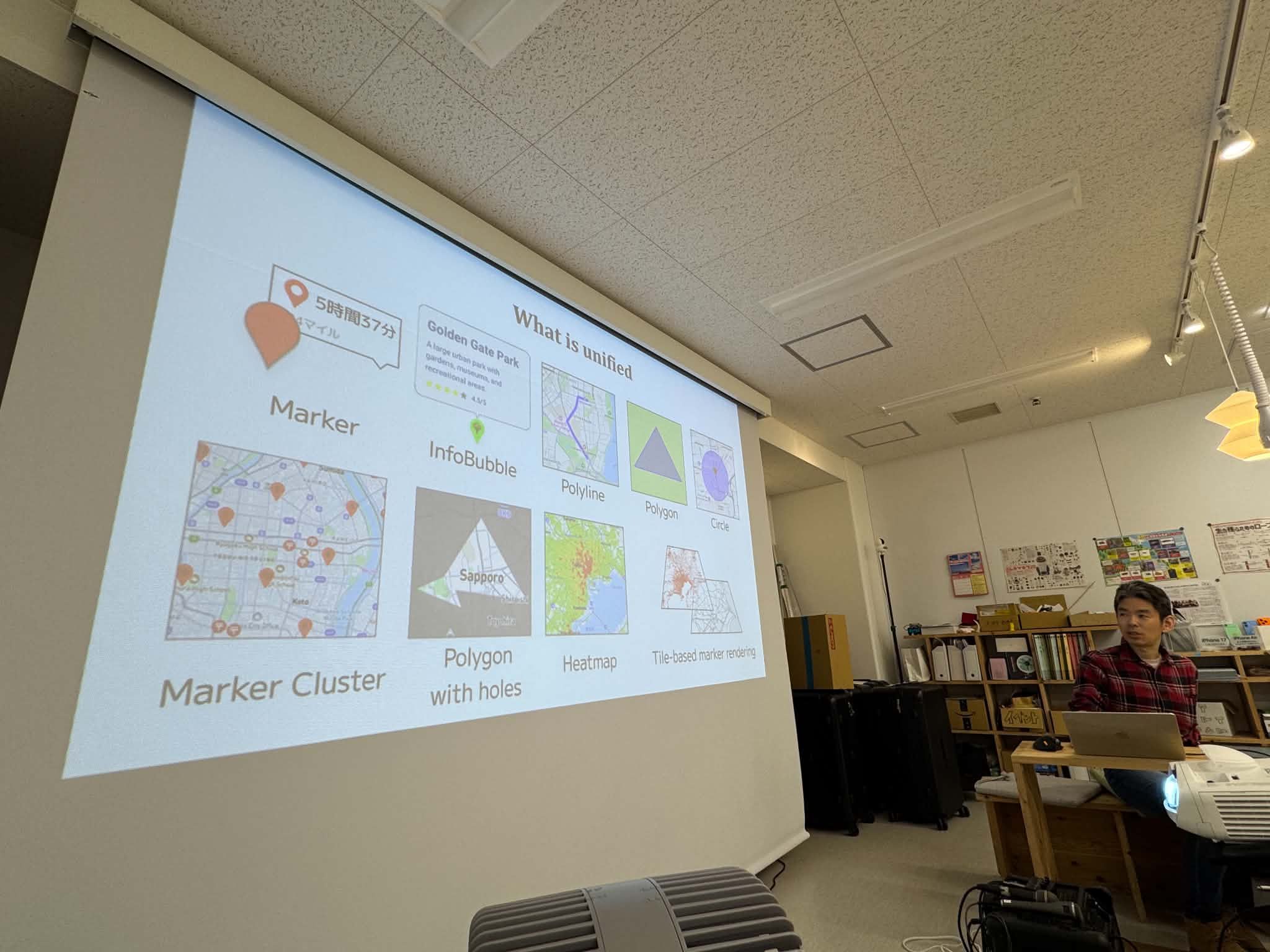
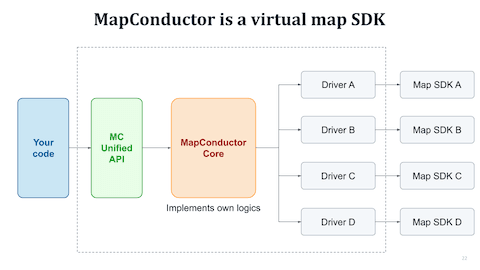
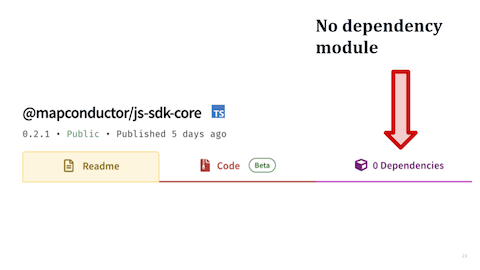
MapConductor is often thought of as a wrapper library that unifies multiple map APIs, but it is not. There is a specification for a virtual map SDK called MapConductor, and that specification is realized using an actual map SDK for display. For this reason, our policy is "depend on map SDK features as little as possible." Today's participants understood this point.
Today's hands-on session covered only the introduction part, but we would like to plan sessions on how to build mobile applications and sessions that leverage the strengths of a specific map SDK. A hands-on session hosted by Youth GEO Japan (https://www.youthgeojp.com/) is also scheduled with similar content on November 25, 2026.